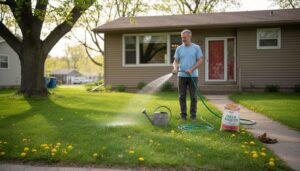
Over half of American homeowners say spring lawn care feels confusing and stressful. The transition from winter to spring brings unique challenges, especially in places like Minnesota where timing and technique can make all the difference. With proven tips for testing soil, seeding, fertilizing, and watering, you will discover practical ways to nurture a healthy, green yard that thrives through the unpredictable American spring.
What Spring Lawn Preparation Involves
Spring lawn preparation is a strategic process that transforms your yard from winter dormancy to lush, vibrant health. The key involves several critical steps that work together to revive and strengthen your grass after the cold months. Effective lawn care techniques begin with understanding your lawn’s specific needs and implementing targeted maintenance approaches.
The first crucial step is thorough cleanup and debris removal. Raking your lawn removes dead grass, fallen leaves, and accumulated winter materials that can prevent healthy grass growth. This process allows sunlight and air to reach the soil, promoting better root development. Soil aeration follows as another critical technique, which reduces compaction and enables nutrients, water, and oxygen to penetrate deeper into the ground. By creating small holes throughout your lawn, you help grass roots access essential resources more effectively.
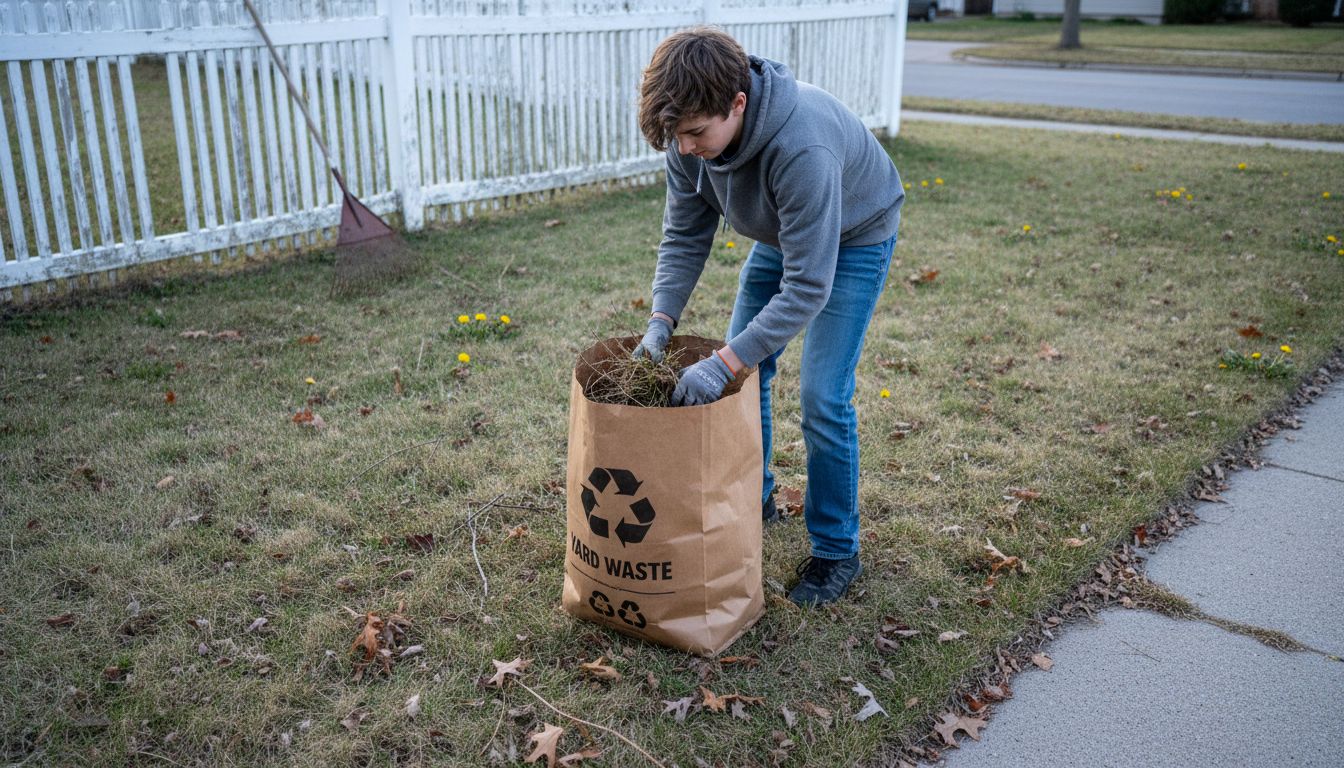
Nutrition and seeding play pivotal roles in spring lawn preparation. Overseeding bare or thin patches with appropriate grass varieties helps restore lawn density and prevents weed invasion. Applying a balanced, slow-release fertilizer provides necessary nutrients that support new growth and strengthen grass roots. Proper watering techniques are equally important – maintaining consistent soil moisture without overwatering ensures optimal grass health.
Lastly, adjust your mowing practices to support lawn recovery. Start mowing when grass reaches about 3 inches tall, and never cut more than one-third of the grass blade length in a single session. This approach encourages robust root systems and helps your lawn develop resilience against potential stressors. By following these comprehensive spring lawn preparation steps, Minnetonka homeowners can transform their yards from winter-worn landscapes into healthy, green spaces ready to thrive throughout the growing season.
Timing and Climate Considerations in Minnesota
Minnesota’s unique climate presents specific challenges and opportunities for lawn care that demand strategic timing and careful planning. Lawn maintenance schedules must be tailored to the state’s cool-season grass growth patterns, which are dramatically influenced by temperature fluctuations and seasonal transitions. Understanding these nuanced environmental conditions is crucial for homeowners seeking to develop a resilient, healthy lawn.
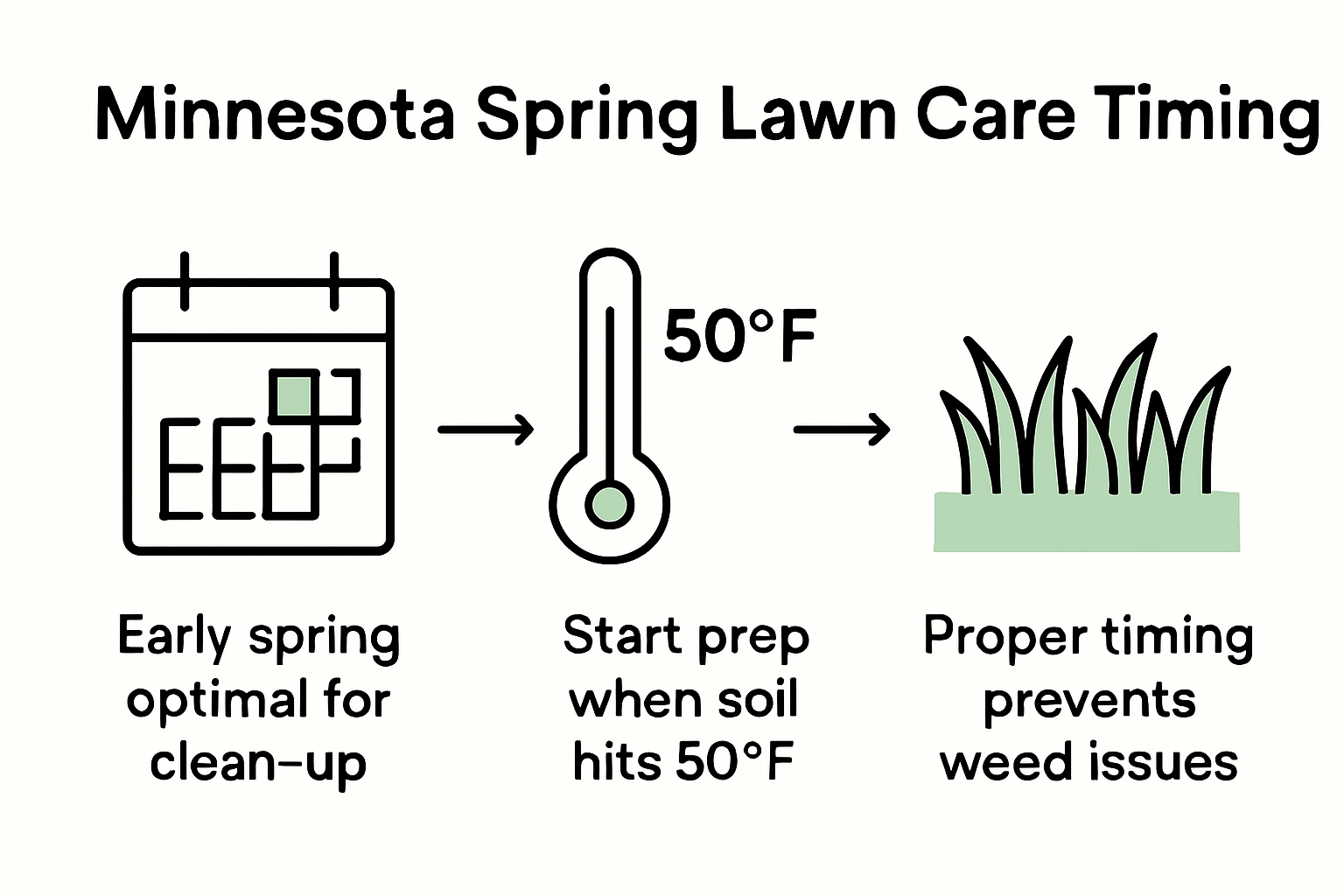
The critical window for lawn preparation begins when soil temperatures consistently reach around 50°F, typically in early spring. However, patience is key. Minnesota’s variable spring climate requires homeowners to avoid premature interventions that could potentially damage emerging grass. This means resisting the urge to work on wet, saturated soils, which can lead to compaction and root damage. Debris removal and initial lawn assessment can begin early, but major activities like fertilization and intensive maintenance should be strategically timed.
Seeding represents another critical consideration unique to Minnesota’s climate. Contrary to popular belief, spring is not the optimal time for seeding cool-season grasses. The most successful seeding window occurs from early August to late September, when soil temperatures are stable and competition from aggressive weeds diminishes. This timing allows new grass seedlings to establish robust root systems before winter arrives, reducing vulnerability to summer heat stress and potential winter kill.
Ultimately, successful lawn care in Minnesota demands a nuanced approach that respects the state’s distinctive seasonal rhythms. Homeowners should remain flexible, monitor local weather conditions, and adapt their lawn care strategies accordingly. By understanding the intricate relationship between timing, soil conditions, and grass growth cycles, Minnetonka residents can transform their yards into resilient, thriving landscapes that withstand the region’s challenging environmental conditions.
Steps for Soil Testing and Readiness
Preparing your lawn for a successful growing season begins with a comprehensive understanding of your soil’s condition. Soil testing is a critical diagnostic tool that provides homeowners with invaluable insights into their lawn’s nutritional status and potential challenges. By conducting a thorough soil analysis, you can make informed decisions about amendments, fertilization, and overall lawn management strategies specific to your yard’s unique characteristics.
The process of soil testing involves several key steps. First, collect soil samples from multiple areas of your lawn, ensuring you capture representative sections that reflect different microclimates and soil conditions. Use a clean trowel or soil probe to collect samples from 3-4 inches beneath the surface, mixing these samples to create a comprehensive representation of your lawn’s overall soil composition. pH levels are particularly crucial, as they significantly impact nutrient availability and grass health. Most cool-season grasses thrive in slightly acidic soils with a pH between 6.0 and 7.0. If your soil test reveals pH levels outside this optimal range, you may need to apply lime to raise the pH or sulfur to lower it, creating a more hospitable environment for grass growth.
Timing and technique are paramount when preparing to test and work with your soil. Ensure the soil is sufficiently dry – it should crumble easily in your hand without being overly compact or wet. This condition prevents potential damage from soil compaction and allows for more accurate testing and amendment. Consider gathering samples in early spring, before major lawn care activities begin. Professional soil testing kits or local agricultural extension services can provide comprehensive analyses that go beyond basic pH testing, examining nutrient levels, organic matter content, and potential soil composition issues that might impact grass health.
Beyond the initial test, interpreting and acting on the results is where true lawn care expertise comes into play. Different grass types and lawn conditions require specific nutrient balances and amendment strategies. Some lawns might need additional organic matter, while others require targeted nutrient supplementation. By approaching soil testing as an ongoing process of understanding and adaptation, Minnetonka homeowners can develop a proactive approach to lawn care that promotes robust, resilient grass growth throughout the challenging Minnesota growing season.
Proper Seeding, Fertilizing, and Watering Methods
Successful lawn maintenance in Minnesota requires a nuanced approach to seeding, fertilizing, and watering that considers the region’s unique environmental conditions. Spring lawn care strategies demand careful consideration, particularly when it comes to establishing and nurturing grass growth. Homeowners must balance multiple factors to create an optimal environment for a healthy, resilient lawn.
Seeding presents one of the most critical challenges for Minnesota lawns. Conventional spring seeding can be risky due to increased weed competition and potential summer stress on young grass seedlings. Seed selection becomes paramount, with cool-season grass varieties best planted in late summer or early fall when temperature and moisture conditions are more stable. If spring seeding is absolutely necessary, take precautions by avoiding pre-emergence herbicides that can inhibit grass seed germination and carefully monitoring moisture levels to support delicate new growth.
Fertilization requires an equally strategic approach. The key is to base fertilization decisions on comprehensive soil test results rather than following a generic schedule. If fall fertilization was thorough, spring applications might be unnecessary or potentially harmful. When fertilization is required, choose a balanced, slow-release formula that provides consistent nutrients without overwhelming the grass. The goal is to support steady, healthy growth rather than creating rapid but weak vegetation that becomes susceptible to environmental stressors.
Watering represents the final critical component of lawn maintenance. Most lawns require approximately one inch of water per week, though spring rainfall often meets this requirement naturally. When supplemental watering becomes necessary, the technique matters as much as the quantity. Deep, infrequent watering encourages deeper root development, creating more drought-resistant and resilient grass. Water early in the morning to minimize evaporation and fungal growth, and adjust your approach based on specific grass types, soil conditions, and local weather patterns. By understanding these interconnected aspects of lawn care, Minnetonka homeowners can develop a comprehensive strategy that transforms their outdoor spaces into lush, vibrant landscapes.
Common Spring Lawn Care Mistakes to Avoid
Spring lawn maintenance requires careful attention and strategic planning to avoid potentially costly and damaging errors. Lawn care mistakes can significantly impact yard health and compromise the long-term resilience of your grass. Minnetonka homeowners must be particularly vigilant during the transitional spring months when grass is most vulnerable to improper treatment and environmental stressors.
One of the most critical mistakes is premature or inappropriate fertilization. Timing and technique are crucial when applying nutrients to your lawn. Fertilizing too early can trigger excessive growth during a period when grass should be emerging slowly and naturally. Equally problematic is applying fertilizer during hot mid-summer months, which can cause irreversible damage to the grass’s root system. Instead, base fertilization decisions on comprehensive soil tests and focus on providing balanced, slow-release nutrients that support steady, sustainable growth.
Lawn maintenance practices often overlook the importance of proper aeration and debris management. Neglecting to remove winter debris and thatch can significantly hinder air and nutrient penetration, compromising the lawn’s overall health. Compacted soil prevents root development and reduces the grass’s ability to absorb essential nutrients and moisture. Homeowners should prioritize gentle aeration and thorough cleanup, using techniques that minimize stress on emerging grass while creating an optimal environment for growth.
Mowing practices represent another critical area where mistakes can undermine lawn health. Cutting grass too short stresses the plants and reduces their ability to photosynthesize effectively, making them more susceptible to drought, heat, and pest invasions. Maintain a consistent mowing height appropriate for your specific grass type, typically around 3-4 inches for most cool-season grasses in Minnesota. Water management is equally crucial – avoid overwatering, which can lead to shallow root systems and increased vulnerability to environmental challenges. By understanding and avoiding these common mistakes, Minnetonka residents can develop a proactive approach to lawn care that promotes a lush, resilient outdoor space.
Take Control of Your Spring Lawn Care in Minnetonka Today
Facing challenges like soil compaction, proper timing for fertilization, and managing Minnesota’s unique climate can make spring lawn preparation overwhelming. You want to avoid common mistakes such as premature fertilizing and improper seeding while ensuring your lawn gets the right care to thrive throughout the season. Understanding terms like soil aeration, overseeding, and balanced fertilization is just the start to creating a resilient yard.
If you are ready to transform your yard and relieve the stress of complex lawn care, discover practical lawn mowing and maintenance solutions designed specifically for Minnetonka homeowners. Act now to boost your lawn’s health before the growing season is in full swing. Visit YardWoo for expert tips and seasonal lawn care services that keep your yard looking its best year round. Start your journey to a vibrant and healthy lawn today.
Frequently Asked Questions
What are the first steps in spring lawn preparation?
The first steps involve thorough cleanup and debris removal, followed by soil aeration to reduce compaction and allow nutrients, water, and oxygen to penetrate deeper into the ground.
When is the best time to start lawn preparation in the spring?
Lawn preparation should begin when soil temperatures consistently reach around 50°F, typically in early spring, to avoid damaging emerging grass and manage environmental conditions effectively.
How should I approach fertilizing my lawn in the spring?
Fertilization should be based on thorough soil tests rather than a generic schedule. Use a balanced, slow-release fertilizer to support steady growth and avoid over-fertilizing that can damage grass roots.
What common mistakes should I avoid during spring lawn care?
Common mistakes include premature fertilization, neglecting aeration and debris management, and mowing grass too short. These can stress the lawn and compromise its overall health.